
Best Physiotherapist for Shoulder Pain in Vancouver: Rotator Cuff & Frozen Shoulder Treatment

Shoulder pain can make everyday tasks feel surprisingly difficult. Reaching into a cabinet, lifting groceries, putting on a jacket, or even sleeping on your side can become painful when your shoulder isn’t functioning properly. Whether your discomfort is caused by a sports injury, repetitive movements at work, poor posture, or age-related wear and tear, early treatment is essential for preventing long-term problems. If you’re searching for the Best Physiotherapist for Shoulder Pain in Vancouver, professional physiotherapy can help relieve pain, restore mobility, and get you back to the activities you enjoy. At PhysiotherapyBest, we provide personalized treatment plans designed to address the underlying cause of your shoulder pain rather than simply masking the symptoms. Understanding Shoulder Pain The shoulder is one of the most complex and mobile joints in the human body. It consists of bones, muscles, tendons, ligaments, and the rotator cuff working together to provide a wide range of motion. Because of its flexibility, the shoulder is also more vulnerable to injuries and chronic conditions. Shoulder pain can develop suddenly after an accident or gradually over time due to repetitive strain, poor posture, or degenerative changes. Receiving timely shoulder pain treatment in Vancouver allows a physiotherapist to identify the source of your discomfort and develop a personalized recovery plan before the condition worsens. Common Symptoms of Shoulder Problems Shoulder conditions can present differently depending on the underlying cause. Some people experience a dull ache that gradually worsens, while others develop sharp pain during specific movements. Many patients notice stiffness, weakness, difficulty lifting the arm, or discomfort that interrupts their sleep. Pain may also radiate into the upper arm or neck, making everyday activities increasingly challenging. If these symptoms continue for more than a few days, consulting a physiotherapist for shoulder injury can help determine whether the problem involves the rotator cuff, joint capsule, muscles, or surrounding soft tissues. Common Causes of Shoulder Pain Rotator Cuff Injuries The rotator cuff is made up of four muscles and tendons that stabilize the shoulder joint and control arm movement. Repetitive overhead activities, heavy lifting, sports injuries, or natural aging can cause inflammation or tears within these tendons. Without proper treatment, even a small injury can gradually become more severe. Professional rotator cuff injury physiotherapy focuses on reducing inflammation, restoring strength, and improving shoulder mechanics to promote long-term recovery. Frozen Shoulder Frozen shoulder, also known as adhesive capsulitis, causes the shoulder capsule to become stiff and tight, significantly limiting movement. The condition usually develops gradually and often progresses through stages of increasing pain followed by severe stiffness. Many individuals struggle to raise their arm above shoulder level or reach behind their back. Early frozen shoulder treatment helps improve mobility, reduce discomfort, and shorten recovery time. Shoulder Impingement Shoulder impingement occurs when tendons become compressed during arm movements. This condition is common among athletes, office workers, painters, electricians, and anyone who frequently performs overhead activities. If left untreated, impingement may eventually lead to rotator cuff damage. Arthritis and Degenerative Changes As cartilage gradually wears away with age, arthritis can develop within the shoulder joint, causing pain, stiffness, and reduced mobility. Physiotherapy helps patients maintain function while reducing discomfort and improving overall joint movement. Why Early Physiotherapy Is Important Many people attempt to manage shoulder pain by resting or avoiding movements that trigger discomfort. While temporary rest may reduce irritation, prolonged inactivity often leads to additional stiffness and muscle weakness. Early shoulder pain treatment in Vancouver helps restore normal movement before the condition becomes chronic. Physiotherapy not only relieves pain but also addresses the mechanical issues contributing to the injury, reducing the likelihood of recurring problems and improving long-term shoulder health. How Physiotherapy Helps Shoulder Pain Comprehensive Assessment Every shoulder injury is unique, which is why treatment begins with a detailed evaluation. At PhysiotherapyBest, your physiotherapist examines your posture, shoulder mobility, muscle strength, joint stability, and movement patterns to identify the exact cause of your symptoms. This thorough assessment allows us to create a personalized treatment plan tailored specifically to your condition and recovery goals. Manual Therapy Hands-on manual therapy techniques are highly effective for improving joint mobility, reducing muscle tension, and relieving pain. Gentle mobilization of the shoulder joint combined with soft tissue therapy helps restore natural movement while reducing inflammation around injured structures. Rotator Cuff Injury Physiotherapy Successful rotator cuff injury physiotherapy focuses on more than simply relieving pain. Treatment includes strengthening the muscles that stabilize the shoulder, improving flexibility, correcting movement patterns, and gradually restoring function. A structured rehabilitation program helps prevent further tendon damage while allowing patients to safely return to work, sports, and daily activities. Frozen Shoulder Treatment Patients suffering from frozen shoulder require a carefully planned rehabilitation program that gradually restores mobility without aggravating symptoms. Effective frozen shoulder treatment combines manual therapy, stretching exercises, joint mobilization, and progressive strengthening techniques to improve range of motion while reducing stiffness over time. Consistency is essential, as frozen shoulder recovery often requires patience and guided rehabilitation. Shoulder Rehabilitation Long-term recovery depends on comprehensive shoulder rehabilitation that strengthens supporting muscles, improves posture, restores flexibility, and retrains healthy movement patterns. Rather than relying solely on passive treatment, rehabilitation empowers patients to actively participate in their recovery while reducing the risk of future injuries. Shoulder Rehabilitation Exercises Exercise plays a critical role in recovering from shoulder injuries, but performing incorrect movements can delay healing or worsen symptoms. After completing a thorough assessment, your physiotherapist will recommend exercises appropriate for your stage of recovery. These may include gentle stretching, range-of-motion exercises, resistance band strengthening, scapular stabilization drills, and posture correction exercises. As your strength improves, your rehabilitation program is gradually progressed to restore full shoulder function safely and effectively. When Should You See a Physiotherapist? Shoulder pain that persists for more than a few days, limits your range of motion, interrupts sleep, or causes weakness should never be ignored. Difficulty reaching overhead, lifting objects, or performing everyday activities often indicates an underlying injury that requires professional assessment. Consulting a qualified physiotherapist for shoulder injury
Best Physiotherapist for Sciatica in Vancouver: Symptoms, Treatment & Recovery
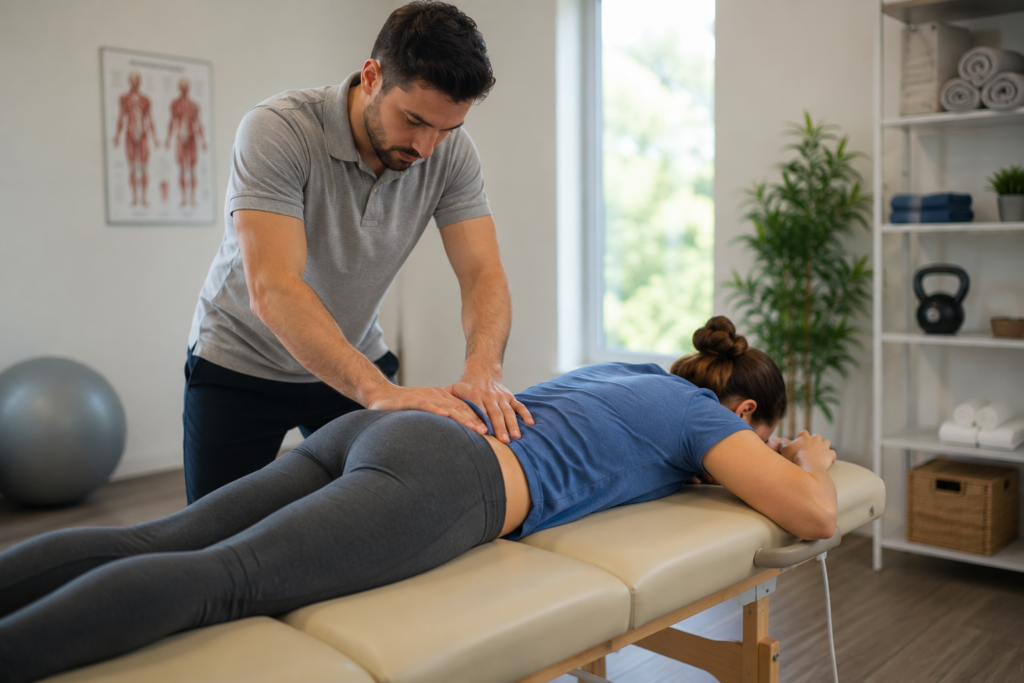
Sciatica is one of the most common reasons people seek physiotherapy, yet many don’t realize that it can often be treated successfully without surgery. The condition develops when the sciatic nerve becomes irritated or compressed, causing pain that typically starts in the lower back and travels through the buttock and down one leg. For many people, even simple tasks like walking, driving, sitting at a desk, or getting a good night’s sleep become uncomfortable. If you’re searching for the Best Physiotherapist for Sciatica in Vancouver, receiving early treatment can help reduce pain, improve mobility, and prevent long-term complications. At PhysiotherapyBest, our experienced team focuses on identifying the root cause of your symptoms and creating a personalized recovery plan that supports lasting results. What Is Sciatica? Sciatica is not considered a disease on its own but rather a collection of symptoms caused by irritation or compression of the sciatic nerve, which is the largest nerve in the body. Originating in the lower spine, the sciatic nerve extends through the hips, buttocks, and into each leg. When pressure is placed on this nerve, it can trigger pain, numbness, tingling, or weakness that radiates down the affected leg. While many people assume they simply have lower back pain, true sciatica involves nerve-related symptoms that require a proper clinical assessment. Seeking professional sciatica treatment in Vancouver allows a physiotherapist to determine the exact cause and recommend the most effective treatment strategy. Common Symptoms of Sciatica The symptoms of sciatica can vary from mild discomfort to severe pain that interferes with daily activities. Some individuals experience a constant dull ache, while others describe a sharp, burning sensation that shoots down the leg. Sitting for long periods often makes the pain worse, and many patients notice numbness, tingling, or muscle weakness in the affected leg or foot. These symptoms are commonly associated with lower back and leg pain, making it important to distinguish sciatica from ordinary muscle strains. A detailed assessment by a qualified physiotherapist can identify whether the sciatic nerve is responsible for your symptoms. What Causes Sciatica? Herniated Disc A herniated or slipped disc is one of the leading causes of sciatica. When the soft center of a spinal disc pushes through its outer layer, it may press against the sciatic nerve and produce pain that travels down the leg. This type of nerve compression often responds well to conservative physiotherapy when diagnosed early. Spinal Stenosis Spinal stenosis occurs when the spaces within the spine become narrower over time, placing pressure on nearby nerves. This age-related condition frequently contributes to persistent sciatic pain and reduced mobility. Professional physiotherapy for sciatica helps improve movement and reduce nerve irritation through targeted rehabilitation. Piriformis Syndrome In some cases, the piriformis muscle located deep within the buttock becomes tight or inflamed, compressing the sciatic nerve. This condition often produces symptoms similar to a herniated disc, but it requires a different treatment approach that focuses on muscle flexibility and movement correction. Degenerative Changes Natural wear and tear of the spine can gradually increase pressure on spinal nerves, particularly as people age. Degenerative disc disease, arthritis, and poor posture may all contribute to recurring sciatic symptoms if left untreated. Why Early Physiotherapy Makes a Difference Many people delay treatment because they hope the pain will disappear on its own. Unfortunately, untreated nerve irritation may become more severe over time and can eventually limit mobility, strength, and overall quality of life. Early sciatica treatment in Vancouver helps reduce inflammation before the condition progresses, allowing patients to recover faster while minimizing the need for medication or invasive procedures. Physiotherapy also addresses the underlying cause rather than simply masking the symptoms, reducing the likelihood of future flare-ups. How Physiotherapy for Sciatica Helps Comprehensive Assessment Every successful treatment begins with understanding why the sciatic nerve is irritated. At PhysiotherapyBest, your physiotherapist evaluates your posture, spinal alignment, muscle strength, flexibility, walking pattern, and range of motion before developing a personalized treatment plan. This detailed assessment ensures that treatment targets the root cause instead of only relieving temporary discomfort. Manual Therapy Hands-on treatment techniques help restore joint mobility, reduce muscle tightness, and improve spinal movement. Manual therapy is particularly effective for patients whose symptoms are related to restricted joints or muscular tension surrounding the sciatic nerve. Personalized Exercise Program An individualized rehabilitation program forms the foundation of effective physiotherapy for sciatica. Rather than recommending generic workouts, your physiotherapist prescribes carefully selected sciatica exercises that strengthen the core, improve flexibility, stabilize the spine, and reduce pressure on the affected nerve. As recovery progresses, these exercises are gradually adjusted to restore full function while preventing future episodes. Posture and Movement Correction Many cases of recurring sciatica are linked to poor posture or improper movement habits. Sitting incorrectly for extended periods, lifting heavy objects with poor technique, or maintaining weak core muscles can all contribute to nerve irritation. Physiotherapy helps patients correct these habits, improving everyday movement and reducing unnecessary stress on the spine. Sciatica Exercises That Support Recovery Exercise plays an essential role in long-term recovery, but performing the wrong movements can sometimes aggravate symptoms. That’s why every rehabilitation program should be guided by a physiotherapist. Depending on your condition, your treatment may include gentle stretching exercises to improve flexibility, core strengthening exercises to stabilize the lower back, and mobility exercises that restore healthy movement patterns. These customized sciatica exercises not only reduce pain but also help decrease the likelihood of future nerve compression. When Should You See a Physiotherapist? If your pain extends below the knee, continues for more than several days, worsens while sitting, or is accompanied by numbness, tingling, or muscle weakness, it is important to seek professional care. Persistent lower back and leg pain often indicates nerve involvement rather than a simple muscle strain. Receiving an early diagnosis from the Best Physiotherapist for Sciatica in Vancouver allows treatment to begin before symptoms become chronic or significantly affect your daily life. Why Choose PhysiotherapyBest? Choosing the right clinic is one of the most important
Best Physiotherapist for Neck Pain and Headaches in Vancouver: Complete Guide
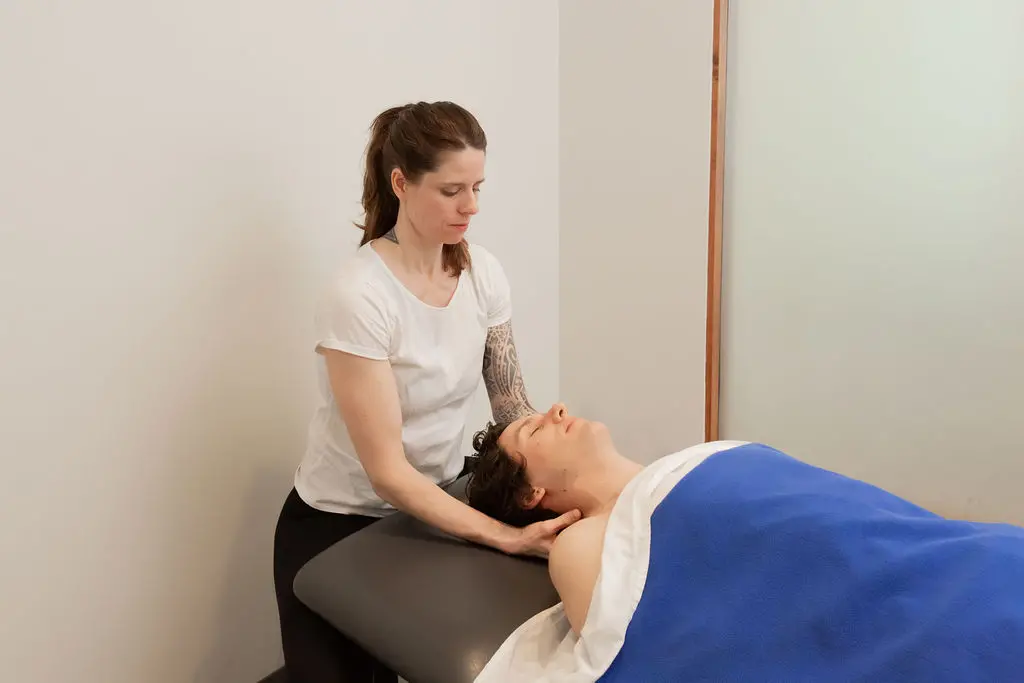
Neck pain and headaches are among the most common conditions that affect people of all ages. Whether caused by poor posture, long hours at a computer, stress, sports injuries, or a motor vehicle accident, these issues can interfere with work, sleep, and daily activities. While many people rely on pain medication for temporary relief, it often does not address the underlying cause of the problem. Choosing the best physiotherapist for neck pain can help you manage your symptoms while improving your long-term health and mobility. If you’re searching for neck pain physiotherapy in Vancouver, working with an experienced physiotherapist can help identify the source of your discomfort and create a personalized treatment plan. At PhysiotherapyBest, patients receive evidence-based care focused on reducing pain, restoring movement, and preventing recurring neck problems. Why Neck Pain and Headaches Shouldn’t Be Ignored Many people assume neck pain will improve on its own, but untreated discomfort can gradually become chronic. Persistent neck stiffness may lead to reduced flexibility, muscle weakness, poor posture, and recurring headaches that affect concentration and productivity. The best physiotherapist for neck pain doesn’t simply treat the symptoms. Instead, they perform a detailed assessment to understand why the pain developed and design a treatment plan that addresses the root cause. Early physiotherapy intervention often leads to faster recovery and helps prevent long-term complications. Common Causes of Neck Pain and Headaches Poor Posture and Desk Work Modern lifestyles require many people to spend hours sitting at a desk, working on computers, or looking down at mobile devices. This prolonged position places continuous stress on the muscles and joints of the neck, often leading to stiffness and discomfort. Over time, poor posture can contribute to muscle imbalances that increase the risk of chronic neck pain and tension headaches. Physiotherapy helps correct posture while improving flexibility and muscle strength. Muscle Tension and Stress Stress frequently causes muscles in the neck and shoulders to tighten. This tension can reduce mobility and trigger headaches that originate from the neck muscles. A physiotherapist can identify areas of muscle tightness and use hands-on treatment techniques combined with therapeutic exercises to relieve tension and improve movement. Whiplash After a Car Accident One of the most common causes of neck pain is whiplash following a motor vehicle accident. The sudden movement of the head during impact can strain muscles, ligaments, and joints in the cervical spine. Professional ICBC physiotherapy in Vancouver helps patients recover from whiplash by reducing pain, restoring mobility, and strengthening the supporting muscles of the neck. Sports and Repetitive Motion Injuries Athletes involved in contact sports, cycling, swimming, tennis, and weightlifting may develop neck pain due to repetitive movements or sudden impacts. Sports physiotherapy focuses on restoring function while helping athletes safely return to their activities. What Makes the Best Physiotherapist for Neck Pain? A Thorough Physical Assessment Every patient’s condition is different, which is why an experienced physiotherapist begins with a detailed assessment. This includes evaluating posture, neck mobility, muscle strength, joint function, and daily movement habits. Understanding these factors allows the physiotherapist to create a treatment plan that addresses both the symptoms and the underlying cause of pain. Personalized Treatment Plans The best physiotherapist for neck pain develops an individualized rehabilitation program rather than using the same approach for every patient. Treatment is adjusted as recovery progresses to ensure continued improvement in strength, flexibility, and function. This personalized approach often produces better long-term results than relying solely on medication or temporary pain relief methods. Focus on Long-Term Recovery Successful physiotherapy is about more than reducing pain. It helps patients improve posture, strengthen supporting muscles, restore normal movement, and reduce the likelihood of recurring neck problems. Education also plays an important role by teaching patients proper workstation ergonomics, stretching techniques, and exercises that support ongoing spinal health. How Neck Pain Physiotherapy in Vancouver Can Help Professional neck pain physiotherapy in Vancouver combines several evidence-based treatment methods to promote healing and improve function. Depending on your condition, your physiotherapist may recommend manual therapy to improve joint mobility, therapeutic exercises to strengthen weak muscles, stretching techniques to increase flexibility, posture correction, and movement retraining. Additional therapies such as massage therapy, dry needling, laser therapy, or shockwave therapy may also be incorporated into your treatment plan when appropriate. At PhysiotherapyBest, every rehabilitation program is customized to meet the patient’s individual needs and recovery goals. Can Physiotherapy Help with Headaches? Many headaches actually originate from problems within the neck muscles and joints. These are commonly known as cervicogenic headaches or tension headaches. When the muscles surrounding the neck become tight or the joints lose normal mobility, pain may radiate upward into the head, causing recurring headaches. Physiotherapy addresses these underlying issues by improving neck mobility, reducing muscle tension, correcting posture, and strengthening the muscles that support the cervical spine. As a result, many patients experience fewer headaches and improved overall comfort without relying solely on pain medication. Benefits of Physiotherapy for Neck Pain Physiotherapy offers a comprehensive approach to recovery by focusing on both immediate pain relief and long-term prevention. Patients often experience improved neck mobility, reduced muscle tension, fewer headaches, better posture, increased strength, and greater confidence in their daily activities. As treatment progresses, patients also learn exercises and movement strategies that help prevent recurring pain and support better spinal health for years to come. By addressing the root cause rather than simply masking symptoms, physiotherapy provides a more sustainable path toward recovery. Why Choose PhysiotherapyBest for Neck Pain Physiotherapy in Vancouver? Choosing the right physiotherapy clinic can make a meaningful difference in your recovery. PhysiotherapyBest provides personalized care designed around each patient’s symptoms, lifestyle, and treatment goals. The clinic offers a comprehensive range of rehabilitation services, including physiotherapy, massage therapy, dry needling, shockwave therapy, laser therapy, exercise rehabilitation, and spinal decompression when appropriate. Every treatment plan is tailored to support lasting recovery while helping patients return to work, recreational activities, and everyday life. Whether your neck pain is related to poor posture, sports injuries, workplace strain, or a
Best Physiotherapist for Sports Injuries in Vancouver: How to Choose the Right Specialist

Whether you’re a professional athlete, a weekend runner, a gym enthusiast, or simply enjoy staying active, a sports injury can interrupt your routine and affect your overall quality of life. Injuries such as sprains, muscle strains, tendon problems, and joint pain can make even simple daily activities uncomfortable. Recovering properly is essential not only for returning to your sport but also for preventing future injuries. Choosing the best physiotherapist for sports injuries can make a significant difference in how quickly and safely you recover. If you’re looking for sports injury physiotherapy in Vancouver, it’s important to find a clinic that provides personalized rehabilitation based on your specific injury, activity level, and recovery goals. At PhysiotherapyBest, patients receive evidence-based treatment plans designed to reduce pain, restore mobility, improve strength, and help them confidently return to the activities they love. Why Seeing a Physiotherapist After a Sports Injury Is Important Many athletes and active individuals attempt to continue training despite pain, believing the injury will heal on its own. While some minor injuries may improve with rest, others can worsen without proper treatment. Continuing physical activity with an untreated injury may increase inflammation, delay healing, and even lead to long-term complications. The best physiotherapist for sports injuries focuses on identifying the root cause of your pain rather than simply treating the symptoms. Through a detailed assessment, your physiotherapist evaluates muscle strength, flexibility, joint mobility, posture, balance, and movement patterns to develop a rehabilitation plan tailored specifically to your needs. Early physiotherapy intervention often shortens recovery time and helps patients safely return to sports while reducing the likelihood of reinjury. Common Sports Injuries Treated by Physiotherapists Muscle Strains and Ligament Sprains Muscle strains and ligament sprains are among the most common sports-related injuries. They often occur during sudden movements, rapid direction changes, jumping, or lifting heavy weights. Symptoms typically include pain, swelling, bruising, and limited movement. Physiotherapy helps promote healing through manual therapy, therapeutic exercises, and progressive strengthening programs that restore flexibility and stability. Knee Injuries The knee experiences significant stress during activities such as running, soccer, basketball, skiing, and tennis. Injuries involving the ligaments, tendons, cartilage, or muscles surrounding the knee can limit mobility and athletic performance. A personalized rehabilitation program focuses on improving joint stability, strengthening surrounding muscles, and restoring proper movement mechanics. Shoulder Injuries Sports involving repetitive overhead movements, including swimming, volleyball, baseball, and tennis, commonly lead to shoulder pain and rotator cuff injuries. Without treatment, these conditions may gradually worsen and restrict normal movement. Physiotherapy addresses muscle imbalances, improves shoulder mobility, and strengthens supporting muscles to restore function and reduce discomfort. Ankle Sprains and Foot Injuries Ankle sprains are especially common in sports that involve jumping, running, or sudden changes in direction. Even after the pain subsides, weakness and instability can remain if rehabilitation is incomplete. A structured physiotherapy program helps rebuild strength, improve balance, and reduce the risk of future ankle injuries. What Makes the Best Physiotherapist for Sports Injuries? Comprehensive Injury Assessment Every sports injury is unique, and successful treatment begins with a thorough evaluation. An experienced physiotherapist examines the injured area while also assessing posture, movement patterns, muscle strength, flexibility, and overall body mechanics. Understanding how your body moves allows the physiotherapist to identify contributing factors that may have caused the injury in the first place. Personalized Rehabilitation Programs Recovery should never follow a generic template. The best physiotherapist for sports injuries develops an individualized treatment plan based on your sport, activity level, injury severity, and personal goals. As your condition improves, your rehabilitation program progresses to include more advanced strengthening, balance training, flexibility exercises, and sport-specific movement patterns. This gradual progression helps ensure that you return to activity safely without placing unnecessary stress on healing tissues. Focus on Performance and Injury Prevention Effective physiotherapy goes beyond helping patients recover from an injury. It also prepares the body to perform more efficiently and withstand future physical demands. Improving muscle strength, coordination, flexibility, and movement quality reduces the likelihood of recurring injuries while supporting long-term athletic performance. How Sports Injury Physiotherapy in Vancouver Supports Recovery Professional sports injury physiotherapy in Vancouver combines multiple evidence-based treatment techniques to address pain, restore movement, and accelerate healing. Depending on your condition, treatment may include manual therapy to improve joint mobility, therapeutic exercises to rebuild strength, stretching to increase flexibility, posture correction, balance training, and functional movement retraining. Additional therapies such as shockwave therapy, laser therapy, massage therapy, or dry needling may also be recommended to complement your rehabilitation program and support tissue healing. At PhysiotherapyBest, every treatment plan is carefully designed around the patient’s recovery goals and physical abilities. Benefits of Physiotherapy for Sports Injuries Physiotherapy offers numerous benefits that extend well beyond pain relief. As rehabilitation progresses, patients often experience improved flexibility, stronger muscles, better joint stability, enhanced balance, and greater confidence during physical activity. Proper rehabilitation also helps restore normal movement patterns, allowing athletes to return to training with reduced risk of compensation injuries elsewhere in the body. Perhaps most importantly, physiotherapy equips patients with education and exercises that support long-term health and injury prevention, helping them stay active well into the future. Why Choose PhysiotherapyBest for Sports Injury Physiotherapy in Vancouver? Finding the right rehabilitation clinic can significantly influence the quality and speed of your recovery. PhysiotherapyBest provides individualized treatment plans that focus on identifying the root cause of your injury while helping you regain strength, flexibility, and confidence. The clinic offers a comprehensive range of rehabilitation services, including physiotherapy, exercise rehabilitation, massage therapy, shockwave therapy, laser therapy, spinal decompression, and dry needling when appropriate. Every treatment plan is customized to meet each patient’s unique condition and recovery objectives. Whether you’ve experienced a running injury, gym-related strain, shoulder problem, knee injury, or ankle sprain, the experienced team at PhysiotherapyBest works with you every step of the way to help you return safely to your sport and daily activities. When Should You See a Physiotherapist for a Sports Injury? Ignoring pain or attempting to “play through” an
Best Physiotherapist for Car Accident Injuries in Vancouver: ICBC Recovery Guide

Being involved in a car accident can change your life in an instant. Even a minor collision can leave you with pain, stiffness, limited mobility, and injuries that may not appear until days after the accident. Many people try to ignore these symptoms, hoping they will disappear on their own. However, delaying treatment can lead to prolonged discomfort and slower recovery. Finding the best physiotherapist for car accident injuries is one of the most important steps you can take after a motor vehicle accident. If you’ve been injured in a collision, professional ICBC physiotherapy in Vancouver can help reduce pain, restore movement, and support your recovery without surgery. PhysiotherapyBest provides personalized rehabilitation programs designed to help patients recover safely while guiding them through the ICBC rehabilitation process. Why You Should See a Physiotherapist After a Car Accident Many car accident injuries are not immediately noticeable because adrenaline can temporarily mask pain. It’s common for symptoms such as neck pain, back pain, headaches, muscle stiffness, and joint discomfort to develop hours or even days after the accident. Seeking treatment early allows a physiotherapist to identify injuries before they become chronic conditions. Early rehabilitation can reduce inflammation, improve mobility, and help prevent long-term complications. The best physiotherapist for car accident injuries focuses on treating both the visible symptoms and the underlying causes of pain, helping patients return to their normal daily activities as quickly and safely as possible. Common Car Accident Injuries That Physiotherapy Can Treat Whiplash Injuries Whiplash is one of the most common injuries following a motor vehicle accident. It occurs when the head is suddenly forced forward and backward, placing excessive stress on the neck muscles, ligaments, and joints. Symptoms often include neck pain, headaches, dizziness, shoulder pain, and reduced range of motion. Physiotherapy helps reduce muscle tension, improve flexibility, restore neck mobility, and strengthen the muscles that support the cervical spine. Lower Back Pain The impact of a collision can place significant stress on the lower back. Many patients experience muscle strains, ligament injuries, disc irritation, or spinal stiffness following an accident. Through customized exercise programs, manual therapy, and movement correction, physiotherapy helps reduce pain while improving spinal stability and function. Shoulder and Joint Injuries The force of a collision can also affect the shoulders, hips, knees, and other joints. Seat belts and sudden impact often contribute to shoulder pain and reduced mobility. A personalized rehabilitation program can restore joint movement, reduce inflammation, and improve strength for long-term recovery. Soft Tissue Injuries Soft tissue injuries involve muscles, tendons, and ligaments that have been stretched or damaged during the accident. While these injuries may not appear on X-rays, they can still cause significant pain and functional limitations. Physiotherapy uses evidence-based treatment techniques to promote healing and gradually restore normal movement. How ICBC Physiotherapy in Vancouver Supports Your Recovery If you’ve been injured in a motor vehicle accident in British Columbia, you may be eligible for treatment through ICBC physiotherapy in Vancouver. ICBC provides coverage for approved rehabilitation services, allowing injured individuals to begin treatment without unnecessary delays. Working with a clinic experienced in ICBC claims can make the recovery process much smoother. PhysiotherapyBest understands the ICBC rehabilitation system and helps patients receive timely treatment while focusing on achieving the best possible outcomes. Early physiotherapy often leads to faster improvements in pain, mobility, and overall function, making it easier to return to work, recreational activities, and everyday life. What Makes the Best Physiotherapist for Car Accident Injuries? Comprehensive Assessment Every accident affects the body differently. A thorough assessment allows the physiotherapist to identify all injuries, evaluate movement limitations, and create a personalized treatment plan based on your condition. Rather than focusing only on painful areas, experienced physiotherapists assess the body as a whole to identify movement patterns that may contribute to ongoing discomfort. Individualized Treatment Plans No two patients recover in exactly the same way. The best physiotherapist for car accident injuries develops a rehabilitation program that evolves as your recovery progresses. Treatment may include manual therapy, therapeutic exercises, stretching, posture correction, balance training, and education to help you recover safely while minimizing the risk of reinjury. Advanced Rehabilitation Techniques Depending on your condition, additional therapies such as shockwave therapy, laser therapy, massage therapy, spinal decompression, or dry needling may be incorporated into your recovery plan. These treatments can complement physiotherapy by reducing pain, improving circulation, and supporting tissue healing. At PhysiotherapyBest, every treatment plan is designed around your individual needs and recovery goals. Benefits of Physiotherapy After a Motor Vehicle Accident Physiotherapy provides much more than temporary pain relief. A structured rehabilitation program helps restore strength, flexibility, coordination, and confidence after an accident. As treatment progresses, many patients experience improved mobility, reduced muscle stiffness, better posture, increased physical function, and a gradual return to normal activities. Physiotherapy also helps reduce the likelihood of chronic pain developing months after the initial injury. Perhaps most importantly, physiotherapy empowers patients with exercises and education they can continue using even after formal treatment has ended, supporting long-term recovery and overall health. Why Choose PhysiotherapyBest for ICBC Physiotherapy in Vancouver? Recovering from a car accident requires experienced professionals who understand both rehabilitation and the unique challenges associated with accident-related injuries. PhysiotherapyBest offers personalized treatment plans designed to address pain, improve movement, and help patients regain their independence. The clinic provides evidence-based physiotherapy along with complementary rehabilitation services such as massage therapy, exercise rehabilitation, spinal decompression, laser therapy, and shockwave therapy when appropriate. Every treatment plan is tailored to the patient’s injuries, recovery goals, and daily lifestyle. Whether your accident resulted in whiplash, lower back pain, muscle injuries, or joint stiffness, the team works closely with you throughout every stage of recovery. Book Your Car Accident Physiotherapy Assessment Today Recovering from a motor vehicle accident takes time, but the right treatment can make a significant difference. Choosing the best physiotherapist for car accident injuries in Vancouver gives you access to personalized rehabilitation focused on reducing pain, restoring mobility, and helping you safely return to
Best Physiotherapist for Lower Back Pain in Vancouver: What to Look For

Lower back pain is one of the most common reasons people seek physiotherapy treatment. Whether caused by poor posture, workplace strain, sports injuries, muscle imbalances, or an accident, persistent back pain can affect your daily activities, mobility, and overall quality of life. Finding the best physiotherapist for lower back pain can make a significant difference in your recovery journey by helping you reduce pain, improve movement, and prevent future injuries. For people searching for lower back pain physiotherapy in Vancouver, choosing the right clinic involves more than simply finding a nearby provider. A qualified physiotherapist should understand the underlying cause of your pain and create a personalized treatment plan based on your specific condition, lifestyle, and recovery goals. At PhysiotherapyBest, patients receive evidence-based physiotherapy treatments designed to restore strength, flexibility, and function while addressing the root causes of lower back pain. Why Choosing the Best Physiotherapist for Lower Back Pain Matters Lower back pain can develop for many different reasons. Some people experience discomfort due to long hours sitting at a desk, while others may suffer from injuries related to sports, lifting heavy objects, or motor vehicle accidents. Because every case is different, a one-size-fits-all approach may not provide long-term results. The best physiotherapist for lower back pain will begin with a detailed assessment to understand your symptoms, movement limitations, and lifestyle factors. This allows the physiotherapist to design a treatment strategy that focuses on improving mobility, strengthening supporting muscles, and helping you return to normal activities safely. A professional physiotherapy approach does not only focus on temporary pain relief. It also works toward preventing recurring problems by correcting movement patterns and improving overall body function. Common Causes of Lower Back Pain Muscle Strains and Injuries One of the most common causes of lower back pain is muscle strain. This can happen from lifting incorrectly, sudden movements, overuse, or physical activities that place excessive stress on the lower back. Physiotherapy can help by reducing inflammation, improving flexibility, and strengthening the muscles that support the spine. Poor Posture and Sedentary Lifestyle Modern lifestyles often involve long periods of sitting, whether working at a computer, driving, or using mobile devices. Poor posture can place additional pressure on the spine and contribute to chronic lower back discomfort. A physiotherapist can evaluate posture and movement patterns while recommending exercises and techniques to improve spinal alignment. Sports and Physical Activity Injuries Athletes and active individuals can experience lower back pain due to repetitive movements, improper training techniques, or muscle imbalances. Sports physiotherapy focuses on restoring strength and helping individuals safely return to their activities. Car Accident and Injury-Related Back Pain Motor vehicle accidents can cause sudden stress on the spine, resulting in back pain, stiffness, and reduced mobility. For individuals involved in accidents, ICBC physiotherapy in Vancouver can provide structured rehabilitation support to help manage injuries and improve recovery. What Makes the Best Physiotherapist for Lower Back Pain in Vancouver? Personalized Assessment and Treatment Plans A quality physiotherapy clinic should never treat every patient the same way. The best physiotherapists perform a complete assessment before recommending treatment. This assessment may include evaluating posture, range of motion, muscle strength, flexibility, and daily activities that may contribute to your pain. Based on these findings, your physiotherapist develops a customized recovery plan. Experience Treating Different Types of Back Pain Lower back pain can range from mild muscle discomfort to more complex conditions involving spinal issues. Choosing a physiotherapist with experience treating different types of back conditions ensures that you receive appropriate care. Experienced physiotherapists can help patients manage conditions such as chronic back pain, mobility restrictions, sports-related injuries, and accident-related injuries. Combination of Hands-On Treatment and Exercise Therapy Effective lower back pain treatment often involves a combination of techniques. Manual therapy, therapeutic exercises, stretching programs, and movement training can work together to improve recovery. At PhysiotherapyBest, treatment plans focus on improving function rather than only reducing symptoms. Patients are guided through exercises that help build strength and support long-term recovery. How Physiotherapy Helps With Lower Back Pain Reduces Pain and Improves Mobility Physiotherapy techniques can help decrease discomfort while improving flexibility and movement. Through targeted treatments and exercises, patients can regain confidence in performing everyday activities. Strengthens Core and Supporting Muscles Weak muscles around the core and spine can contribute to recurring back problems. A physiotherapist can recommend strengthening exercises that improve stability and reduce stress on the lower back. Prevents Future Injuries One of the biggest benefits of physiotherapy is injury prevention. By identifying movement problems and correcting muscle weaknesses, physiotherapy helps reduce the chances of experiencing repeated back pain. When Should You Visit a Physiotherapist for Lower Back Pain? Many people wait until their pain becomes severe before seeking professional help. However, early treatment can often prevent minor problems from becoming long-term conditions. You should consider visiting a physiotherapist if you experience ongoing lower back pain, difficulty moving, pain that affects daily activities, recurring discomfort, or symptoms after an injury. A professional evaluation can help identify the cause of your pain and provide a clear recovery plan. Why Choose PhysiotherapyBest for Lower Back Pain Treatment in Vancouver? Finding the right healthcare provider is an important step toward recovery. PhysiotherapyBest provides personalized physiotherapy services designed around each patient’s needs and goals. The clinic offers comprehensive treatment options, including physiotherapy, exercise rehabilitation, massage therapy, spinal decompression, and other advanced rehabilitation techniques. The focus is on helping patients reduce pain, restore movement, and improve their quality of life. Whether your lower back pain is caused by an injury, lifestyle factors, sports activities, or a motor vehicle accident, working with an experienced physiotherapy team can help you move toward recovery. Book an Appointment for Lower Back Pain Physiotherapy in Vancouver Living with lower back pain can affect your work, hobbies, and everyday routine. Choosing the best physiotherapist for lower back pain in Vancouver can help you take the right steps toward recovery. At PhysiotherapyBest, experienced physiotherapists provide personalized treatment plans focused on reducing pain, improving mobility, and helping patients